
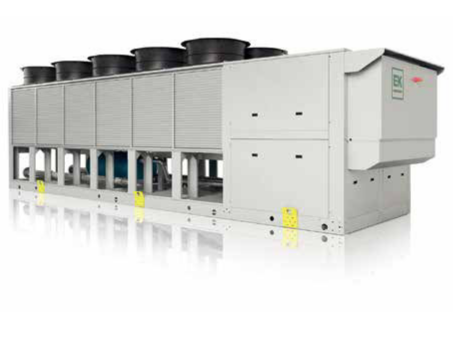
For many businesses, especially in industries like food processing, beverage production, and pharmaceuticals, maintaining precise temperature control is crucial. Propane chillers have emerged as a highly efficient and environmentally friendly solution for these needs. Selecting the right propane chiller for your business involves understanding not just the equipment itself, but also the specific requirements of your operations, energy considerations, and long-term maintenance.
Understanding Propane Chillers
Propane chillers are refrigeration systems that use propane (R290) as a refrigerant instead of traditional chemicals like Freon. Propane is a natural refrigerant with a very low global warming potential (GWP), making it an environmentally responsible choice. These chillers work by circulating propane through a closed-loop system, absorbing heat from the medium to be cooled, and releasing it outside the system.
One of the main advantages of propane chillers is their energy efficiency. Propane has excellent thermodynamic properties, allowing chillers to operate at lower pressures while providing the same or better cooling capacity compared to conventional refrigerants. This translates into lower energy costs for businesses that operate chillers continuously.
Assessing Your Business Needs
Before investing in a propane chiller, it’s essential to assess the specific cooling requirements of your business. Key considerations include the volume of material to be cooled, the target temperature, and the consistency of temperature control needed. For instance, a craft brewery may need precise cooling to maintain fermentation temperatures, while a commercial kitchen may require rapid cooling for multiple food items simultaneously.
Understanding your peak demand is also critical. Chillers are rated by their cooling capacity, typically measured in tons or kilowatts. Choosing a chiller that can handle peak loads without overworking is vital for maintaining efficiency and extending equipment lifespan. Undersized chillers may fail to maintain the required temperatures, whereas oversized units can result in unnecessary energy consumption and higher upfront costs.
Evaluating Energy Efficiency
Energy consumption is often one of the most significant ongoing expenses associated with chiller operation. Propane chillers generally offer higher efficiency than traditional systems, but performance can vary based on design, size, and application. Look for chillers with variable speed compressors and advanced control systems, which adjust energy usage based on real-time cooling demands.
Additionally, consider the insulation and heat exchange components of the chiller. Well-insulated piping and high-quality heat exchangers reduce energy loss and improve overall efficiency. Investing in a high-efficiency propane chiller may have a higher initial cost but can yield substantial savings over the system’s lifetime.
Safety and Compliance Considerations
While propane is a natural and eco-friendly refrigerant, it is also flammable. Safety is paramount when selecting and installing a propane chiller. Ensure that the system meets local safety regulations, including proper ventilation, leak detection, and emergency shut-off mechanisms. Many manufacturers provide propane chillers designed to meet international safety standards, which can simplify compliance for businesses in regulated industries.
Staff training is also essential. Employees who operate or maintain the chiller should be familiar with safe handling procedures for propane, understand emergency protocols, and be trained in routine inspection practices. Regular maintenance checks help prevent leaks and ensure the system operates safely and efficiently.
Maintenance and Longevity
The lifespan of a propane chiller depends on its design, usage, and maintenance schedule. Routine maintenance includes checking refrigerant levels, inspecting compressors and pumps, cleaning heat exchangers, and verifying electrical connections. A proactive maintenance plan helps prevent unexpected downtime and costly repairs.
Consider the availability of replacement parts and technical support when choosing a manufacturer. Some companies specialize in propane chillers and provide comprehensive after-sales service, including installation assistance, maintenance guidance, and rapid response for technical issues. Choosing a reliable manufacturer ensures that your investment is protected and that the chiller operates optimally for years to come.
Sizing and Installation
Proper sizing is one of the most critical factors in selecting a propane chiller. Oversized systems may cycle on and off too frequently, reducing efficiency and increasing wear and tear, while undersized systems may struggle to meet cooling demands. Working with a qualified HVAC or refrigeration engineer can help determine the optimal size for your specific application.
Installation location is another important consideration. Propane chillers require adequate ventilation and clearance to dissipate heat effectively. Placement should also facilitate easy access for routine maintenance and service. Some businesses opt for modular chiller designs, which allow for future expansion or relocation without extensive rework.
Cost Considerations
When evaluating propane chillers, it’s important to look beyond the initial purchase price. Operating costs, maintenance expenses, and potential energy savings all factor into the total cost of ownership. Propane chillers may have a slightly higher upfront cost compared to traditional systems, but their energy efficiency and environmental benefits often result in long-term savings.
Additionally, businesses may qualify for incentives or rebates for using environmentally friendly refrigerants like propane. These programs can offset some of the initial investment, making propane chillers an even more attractive option.
Environmental Benefits
Switching to propane chillers supports sustainability initiatives. Propane has an extremely low GWP compared to conventional refrigerants, meaning it has minimal impact on climate change. Businesses that prioritize eco-friendly practices can also enhance their brand reputation by demonstrating a commitment to reducing environmental impact.
Moreover, some regulatory frameworks are phasing out high-GWP refrigerants, making propane an increasingly necessary choice for companies looking to future-proof their operations. Adopting propane chillers now can ensure compliance with evolving environmental standards while benefiting from long-term operational efficiencies.
Choosing a Trusted Supplier
Selecting the right supplier is as important as choosing the right chiller. Look for manufacturers or distributors with experience in propane refrigeration and a proven track record of reliable products. Request detailed specifications, performance data, and customer references to make an informed decision.
A reputable supplier will provide guidance on system sizing, installation, and maintenance, helping you optimize the chiller for your specific business needs. They may also offer extended warranties or service agreements, which can provide peace of mind and protect your investment.
Conclusion
Choosing the right propane chiller for your business involves careful consideration of cooling requirements, energy efficiency, safety, maintenance, and cost. Propane chillers offer a compelling combination of performance, environmental responsibility, and long-term savings, making them a strong choice for businesses across multiple industries.
By evaluating your operational needs, consulting with experts, and selecting a reliable manufacturer, you can ensure that your propane chiller provides optimal performance while supporting sustainability goals. Making an informed choice today can lead to efficient, safe, and cost-effective cooling for your business for years to come.
Propane chillers are more than just equipment—they are an investment in operational efficiency, environmental responsibility, and business continuity. Taking the time to select the right system will pay dividends in performance, energy savings, and compliance.