
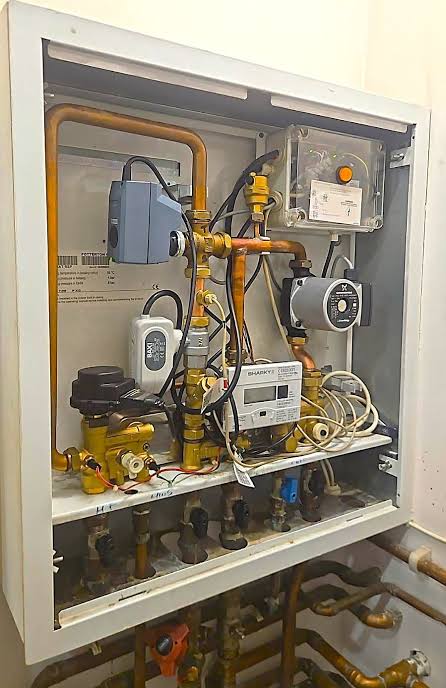
Heat Interface Units (HIUs) play an important role in many modern residential buildings by transferring heat from a communal or district heating network into individual properties. They provide heating and hot water while allowing each home or apartment to manage its own comfort and usage. Like any mechanical system, an HIU requires regular attention to remain reliable. Routine inspections can identify developing problems before they become major faults, helping property owners and building managers reduce the need for unexpected HIU repair London services.
Regular checks are not simply about finding visible faults. They involve examining the unit’s components, checking performance, monitoring pressure and temperature, and identifying signs of wear. A structured maintenance approach can support better efficiency, improve reliability, and help extend the working life of an HIU.
Understanding the Importance of Regular HIU Checks
An HIU contains several components that work together to provide heating and domestic hot water. These may include heat exchangers, valves, pumps, sensors, filters, controls, and other mechanical and electrical parts. A problem with one component can affect the performance of the entire unit.
Small issues may initially be difficult to notice. Slight temperature fluctuations, unusual noises, slower hot water delivery, or inconsistent heating can sometimes indicate that a component requires attention. If these signs are ignored, the underlying issue may develop into a more serious fault.
Routine inspections provide an opportunity to identify these warning signs early. Addressing minor issues before they become significant can reduce disruption and potentially limit the extent of future HIU repair London requirements.
Checking Pressure and Temperature Performance
Pressure and temperature are important indicators of HIU performance. During a regular inspection, appropriate readings can be checked against the system’s expected operating conditions.
Unusual pressure levels may indicate issues within the heating circuit, while inconsistent temperatures can point toward problems with heat transfer, controls, sensors, or valves. A gradual change in performance can be easier to identify when readings are monitored regularly.
Keeping a record of these measurements can also be useful. Comparing current readings with previous inspection results may help reveal gradual deterioration that might otherwise go unnoticed.
Why Consistent Readings Matter
A single unusual reading does not always indicate a major fault. However, repeated abnormal readings deserve investigation. Monitoring performance over time allows maintenance teams to identify trends and take appropriate action.
This approach can help prevent minor performance issues from developing into emergencies that require immediate HIU repair London assistance.
Inspecting Filters and Heat Exchangers
Filters help prevent unwanted particles and debris from affecting components within an HIU. Over time, accumulated debris can restrict flow and reduce system performance. Regular inspection and cleaning, where appropriate, can help maintain proper circulation.
Heat exchangers are also essential because they transfer heat between circuits. Deposits, scaling, or contamination can affect their ability to transfer heat effectively. Reduced heat transfer may result in slower hot water delivery or inadequate heating.
Routine checks can help identify signs that cleaning, servicing, or further investigation may be required. Maintaining these components properly can support efficient operation and reduce avoidable repair issues.
Examining Valves, Pumps, and Moving Components
Mechanical components can experience wear through regular operation. Valves and pumps are particularly important because they help control and circulate water through the system.
During routine checks, maintenance professionals can look for signs such as unusual noises, leaks, restricted movement, or inconsistent operation. A pump that is becoming noisy or a valve that does not respond correctly may require attention before it causes wider system problems.
Early intervention is generally easier to manage than dealing with a complete component failure. Regular inspections therefore provide an important opportunity to identify mechanical wear and plan suitable maintenance.
Monitoring for Leaks
Leaks are among the issues that should never be ignored. Even a small leak can gradually cause damage to surrounding components, flooring, walls, or electrical connections if it continues for an extended period.
Regular visual inspections can identify moisture, corrosion, staining, or water accumulation around the HIU and connected pipework. Detecting these signs early allows the source to be investigated before the problem becomes more extensive.
Property managers should also encourage residents to report unexplained moisture or changes around their HIU promptly. A small warning sign can sometimes provide valuable information about a developing fault.
Testing Controls and Sensors
Modern HIUs rely on controls and sensors to regulate heating and hot water. If a sensor provides inaccurate information, the system may not respond as expected.
Temperature sensors, thermostatic controls, electronic displays, and related components can be checked during scheduled maintenance. If readings appear inconsistent with actual conditions, further testing may be necessary.
Reliable controls help the system respond appropriately to demand. Maintaining them can also support more consistent comfort and prevent unnecessary stress on other components.
Identifying Warning Signs Early
Residents and building managers can play an important role in early fault detection. Common warning signs may include:
- Hot water taking longer than usual to arrive
- Heating becoming inconsistent
- Unusual noises from the HIU
- Unexpected changes in temperature
- Visible leaks or dampness
- Repeated error messages
- Unusual pressure readings
- Controls that do not respond normally
These symptoms should not automatically be treated as evidence of a specific fault. However, they provide reasons to arrange an inspection. Prompt investigation can help determine whether maintenance is required before the situation becomes more serious.
Creating a Preventive Maintenance Schedule
Regular checks are most effective when they form part of a planned maintenance schedule. Building managers can establish inspection intervals based on the type of HIU, manufacturer’s recommendations, building requirements, and previous maintenance history.
A maintenance record can include inspection dates, observations, readings, component replacements, cleaning activities, and reported issues. This information creates a useful history of the unit’s performance.
A documented maintenance schedule also makes it easier to identify recurring problems. If the same issue appears repeatedly, further investigation may be necessary rather than simply treating each occurrence as an isolated fault.
Reducing Unexpected Heating Disruptions
Heating and hot water problems can be particularly disruptive in residential buildings. A sudden HIU failure may affect a household’s daily routine and require urgent attention.
Preventive inspections cannot eliminate every possible fault. Components can fail unexpectedly despite appropriate maintenance. However, regular checks can reduce the likelihood of certain avoidable problems by identifying deterioration and performance changes earlier.
This proactive approach can make maintenance more predictable and may reduce the number of situations where urgent HIU repair London services are required.
Supporting Efficient System Operation
An HIU that is operating correctly can provide heating and hot water more consistently. When components become dirty, worn, restricted, or incorrectly adjusted, system performance may decline.
Regular maintenance helps ensure that important components are operating as intended. This can contribute to efficient heat transfer and stable operation.
Efficiency should not be considered separately from reliability. A system that is operating under unnecessary strain may experience increased wear over time. Addressing performance issues early can therefore support both operational efficiency and long-term reliability.
When Professional Inspection Is Necessary
Some HIU maintenance tasks require appropriate technical knowledge and equipment. Property owners and residents should avoid attempting repairs involving electrical components, pressurised systems, or internal mechanical parts unless they are properly qualified to do so.
Professional inspection can help determine the cause of unusual performance and identify whether cleaning, adjustment, component replacement, or repair is appropriate. Qualified professionals can also provide maintenance recommendations based on the condition of the individual unit.
If a fault has already developed, arranging appropriate HIU repair London support promptly can help prevent the issue from causing additional disruption or component damage.
Building a Long-Term Maintenance Strategy
Regular HIU checks should be viewed as part of a broader property maintenance strategy. Instead of waiting for equipment to fail, building managers can use inspection records, resident feedback, performance readings, and service history to plan maintenance proactively.
This approach can help identify ageing components, recurring faults, and areas that may need closer monitoring. It can also make budgeting easier because planned maintenance is generally more predictable than responding exclusively to unexpected breakdowns.
For buildings with multiple HIUs, keeping consistent records for individual units can be particularly useful. Comparing maintenance histories may reveal patterns that help managers decide where additional inspections or servicing may be appropriate.
Conclusion
Regular HIU checks can play an important role in reducing avoidable heating and hot water problems. By monitoring pressure and temperature, inspecting filters and heat exchangers, checking valves and pumps, looking for leaks, and testing controls, building managers can identify potential issues before they develop into major failures.
Preventive maintenance cannot guarantee that an HIU will never require repair, but it can support earlier fault detection, more reliable operation, and better planning. Residents also contribute by reporting unusual noises, temperature changes, leaks, and error messages promptly.
For property owners and building managers, a consistent inspection programme can therefore be a practical way to protect heating performance and reduce unexpected HIU repair London requirements. By treating regular checks as an essential part of property maintenance rather than an optional task, it becomes easier to maintain comfortable homes, manage equipment effectively, and support the long-term performance of HIU systems.