
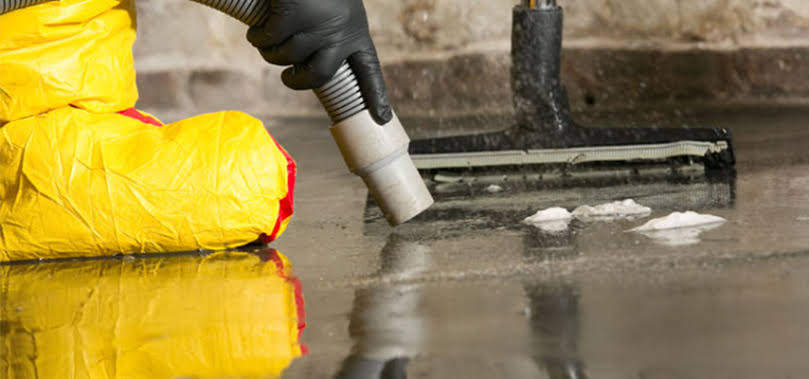
Sudden property damage can happen without warning. A burst pipe, severe storm, flooding, sewage backup, fire, or plumbing failure can quickly turn a safe and comfortable property into a difficult situation. When damage occurs unexpectedly, taking action quickly can help limit its impact and support a smoother recovery process. An emergency restoration company provides specialized services designed to respond to these situations and help property owners regain control of their homes or commercial spaces.
Understanding the Role of Emergency Restoration Services
An emergency restoration company focuses on responding to urgent property damage. Unlike routine maintenance services, restoration teams are prepared to address situations that require immediate attention. Their work may involve water extraction, structural drying, debris removal, smoke damage cleanup, odor control, and other recovery tasks depending on the type of incident.
The first priority is generally to assess the situation and determine what actions are needed. Restoration professionals inspect affected areas, identify visible and potential damage, and develop an appropriate plan. A quick assessment can help prevent a small problem from becoming more extensive.
Responding Quickly to Property Emergencies
Time is an important factor after sudden property damage. Water can spread through flooring, walls, ceilings, and other building materials. Similarly, smoke and soot can settle on surfaces throughout a property after a fire. Delays may increase the amount of restoration work required.
An emergency restoration company typically responds as quickly as possible after receiving a service request. Professionals arrive with specialized equipment and begin addressing the most urgent concerns. Depending on the circumstances, this may include stopping the source of water, removing standing water, protecting unaffected areas, or beginning the cleanup process.
Fast response does not mean rushing through the work. Instead, restoration professionals aim to combine timely action with careful assessment so that important damage is not overlooked.
Assessing the Extent of Damage
Before extensive restoration begins, the affected property needs to be evaluated. Damage may be obvious in some areas while remaining hidden in others. For example, water can travel beneath flooring or enter wall cavities, creating moisture problems that are not immediately visible.
Identifying Affected Areas
Professionals examine floors, walls, ceilings, furnishings, insulation, and other materials that may have been exposed to damage. Moisture detection tools can help locate areas that require additional attention.
The assessment also helps determine which materials may be restored and which may need replacement. This distinction is important because attempting to restore severely damaged materials may not always be practical.
Determining the Appropriate Restoration Approach
Different emergencies require different solutions. A flooded basement may require water extraction and structural drying, while smoke damage may require specialized cleaning and odor treatment. A sewage backup can require careful removal of contaminated materials and thorough sanitation.
By identifying the type and extent of damage first, an emergency restoration company can select suitable equipment and procedures for the situation.
Water Extraction and Drying
Water damage is one of the most common reasons property owners seek emergency restoration assistance. Whether caused by a burst pipe, appliance failure, storm, or flooding, standing water should be addressed promptly.
Restoration professionals may use pumps and wet vacuums to remove large amounts of water. After extraction, high-powered air movers and dehumidifiers can help reduce remaining moisture.
Preventing Secondary Water Damage
Removing visible water is only part of the process. Moisture trapped inside materials can continue causing problems after surfaces appear dry. Thorough drying helps reduce the possibility of deterioration and other moisture-related concerns.
Professionals may monitor moisture levels during the drying process and adjust equipment placement as needed. This systematic approach helps ensure affected areas receive appropriate treatment.
Cleaning and Sanitizing Damaged Spaces
Property emergencies can leave behind dirt, debris, contaminants, and unpleasant odors. Restoration work therefore often includes cleaning and sanitizing affected surfaces.
For example, after a sewage-related incident, contaminated materials may require careful removal and affected areas may need specialized cleaning. After flooding, mud and debris can cover floors and other surfaces.
An emergency restoration company can use appropriate cleaning methods based on the type of damage and the materials involved. The goal is to leave the property cleaner, safer, and better prepared for continued recovery.
Addressing Fire and Smoke Damage
Fire damage can extend beyond the areas directly affected by flames. Smoke and soot may travel throughout a building and settle on walls, ceilings, furniture, and personal belongings.
Restoration professionals may begin by removing damaged debris and evaluating surfaces affected by smoke. Specialized cleaning techniques can then be used to address soot and residue. Odor treatment may also be part of the restoration process when persistent smoke smells remain.
Protecting Salvageable Belongings
Not everything exposed to a fire necessarily needs to be discarded. Depending on the level and type of damage, some belongings may be cleaned and restored. Restoration professionals can evaluate affected items and determine which may be suitable for recovery.
This can help property owners avoid unnecessary disposal while focusing resources on items that genuinely require replacement.
Handling Storm and Structural Damage
Severe weather can cause multiple forms of property damage at once. Strong winds may damage roofs or windows, while heavy rainfall can cause interior flooding. Fallen branches and debris may also affect structures.
An emergency restoration company can help address the immediate aftermath by removing water, clearing certain debris, drying affected spaces, and taking steps to protect exposed areas. Temporary measures may be necessary until permanent repairs can be completed.
Restoration and reconstruction are not always the same process. Restoration focuses on stabilizing and recovering damaged areas, while major structural repairs may require specialized contractors.
Documenting Damage During Restoration
Documentation can be an important part of the recovery process. Property owners may need records of the damage, cleanup work, affected materials, and restoration services for insurance purposes.
Restoration professionals may document affected areas with photographs, notes, moisture readings, and service records. Keeping organized documentation can make it easier to understand what happened and what work was performed.
Property owners should also maintain copies of relevant invoices, estimates, photographs, and other records associated with the restoration.
Why Professional Equipment Matters
Emergency restoration work often requires equipment that is not readily available to the average property owner. Commercial-grade extraction machines, air movers, dehumidifiers, moisture meters, cleaning equipment, and specialized tools can support more efficient recovery.
Professional teams also understand how to position and operate equipment based on the conditions present at the property. Proper equipment use can be especially valuable when damage covers large areas or involves hidden moisture.
Supporting Long-Term Property Recovery
The goal of emergency restoration is not simply to make a damaged property look normal again. A thorough response considers the condition of the building and the potential for problems to develop after the initial emergency.
Professionals may recommend continued monitoring, additional drying, specialized cleaning, or further repairs when necessary. Addressing underlying damage can help reduce the risk of recurring problems and support the property’s long-term condition.
Choosing an Emergency Restoration Company
When selecting an emergency restoration company, property owners should consider several practical factors. Availability, experience, equipment, communication, service range, and documented procedures can all be relevant.
It is also useful to ask what types of emergencies the company handles and whether it provides services such as water extraction, drying, smoke cleanup, sewage cleanup, or storm damage restoration.
Clear communication is equally important. Property owners should understand what services are being performed, which areas are affected, and what additional repairs may be necessary.
Taking Action After Sudden Property Damage
When unexpected damage occurs, remaining calm and acting promptly can make the recovery process more manageable. Property owners should first prioritize personal safety and avoid entering areas that may contain electrical, structural, fire, or contamination hazards.
Once the situation is safe to address, contacting an emergency restoration company can help begin the assessment and cleanup process. Professional restoration teams can identify affected areas, remove water or debris, clean damaged surfaces, dry structures, and coordinate the next stages of recovery.
Sudden property damage can be stressful, but a structured restoration response can make the situation easier to manage. By combining rapid assessment, specialized equipment, professional cleaning, thorough drying, and careful documentation, an emergency restoration company can help property owners move from an unexpected crisis toward a cleaner, more stable, and fully recovered property.