
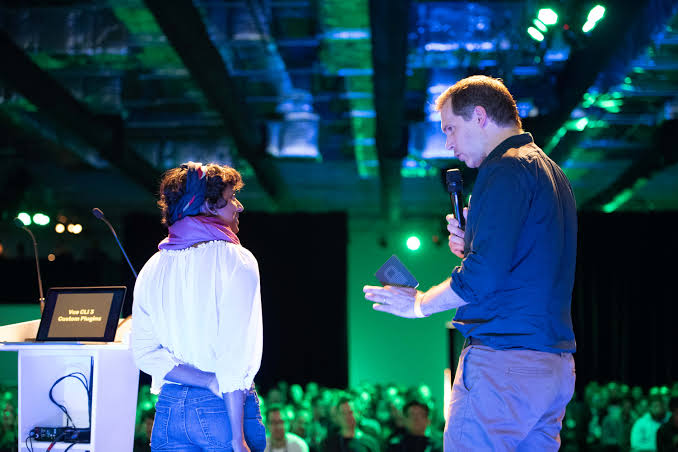
A successful conference is more than a collection of presentations, speeches, and networking sessions. It is an experience that requires careful coordination, clear communication, and a strong sense of timing. One professional who helps bring all these elements together is a conference emcee. Acting as the host and conference emcee central voice of an event, an emcee helps guide attendees through the program while creating an engaging and organized atmosphere.
From introducing speakers to managing transitions between sessions, the emcee plays an important role in maintaining the energy and flow of a conference. Whether the event is a corporate meeting, industry summit, educational conference, or large professional gathering, an experienced host can make the entire experience more enjoyable for both speakers and attendees.
Understanding the Role of a Conference Emcee
A conference emcee serves as the person who connects different parts of an event. They welcome attendees, introduce speakers, explain upcoming activities, and help maintain the schedule. Rather than simply reading announcements, a skilled host understands the purpose and tone of the conference.
The emcee may also communicate important information about breaks, room locations, panel discussions, networking opportunities, and changes to the schedule. This makes it easier for attendees to understand what is happening and where they need to be.
An effective host also works closely with event organizers, speakers, technical teams, and venue staff. This collaboration allows the emcee to stay informed and respond appropriately when unexpected situations occur.
Creating a Strong First Impression
The opening moments of a conference can influence how attendees experience the rest of the event. A confident and welcoming introduction can immediately establish a professional atmosphere.
A conference emcee typically begins by welcoming guests, introducing the event, and explaining what attendees can expect throughout the day. Depending on the occasion, the opening may include information about the organization, event objectives, sponsors, speakers, or special activities.
A good introduction should be energetic without becoming overwhelming. The host needs to match the style of the event and communicate naturally with the audience. A formal business conference may require a different approach from a creative industry gathering or educational event.
Keeping the Event Organized
Conferences often involve multiple speakers, presentations, panel discussions, workshops, and breaks. Without clear transitions, attendees may become confused or lose interest.
The emcee helps maintain continuity between these activities. They can announce the next session, introduce the upcoming speaker, and provide reminders about timing. This creates a clear structure that allows the audience to follow the program easily.
Time management is another important responsibility. If a presentation finishes early or runs longer than expected, the host may need to adjust transitions while following instructions from the event organizers. Good preparation allows the emcee to handle these changes smoothly.
Introducing Speakers Professionally
Speaker introductions are an important part of conference hosting. A strong introduction gives the audience useful context before the presentation begins.
The emcee should know the speaker’s name, professional role, relevant achievements, and the topic they will discuss. Introductions should be accurate and concise so that the speaker can begin without unnecessary delay.
Pronunciation is also important. Professional hosts usually confirm unfamiliar names and terminology in advance. This small preparation step can make a significant difference in creating a polished event experience.
Engaging the Audience
Audience engagement is one of the most valuable skills a conference emcee can bring to an event. Conferences may involve long sessions, technical presentations, and detailed discussions, so maintaining attention throughout the day can be challenging.
A skilled host can use appropriate questions, brief comments, audience participation, and natural transitions to keep people involved. They may encourage attendees to participate in polls, networking activities, Q&A sessions, or interactive discussions.
However, engagement should always match the audience. Excessive jokes or unnecessary interaction may distract from a serious professional program. The goal is to create energy while respecting the purpose of the event.
Managing Unexpected Situations
Even carefully planned conferences can experience unexpected problems. A speaker may be delayed, technology may stop working, or a session may need to change at short notice.
The emcee often becomes an important communication point during these situations. Instead of allowing an unexpected pause to create confusion, the host can provide useful information, introduce another activity, or keep the audience informed while the organizers resolve the issue.
Remaining calm is essential. Attendees often take their cues from the host, so a professional and composed approach can help maintain confidence in the event.
Working With the Event Team
Successful conference hosting requires teamwork. Before the event begins, the emcee should review the schedule and communicate with organizers about important details.
This preparation may include checking speaker information, reviewing pronunciation, understanding session timings, learning venue details, and discussing procedures for technical problems. The host may also participate in rehearsals to become familiar with the stage, microphones, presentation equipment, and event layout.
Strong communication with the production team is particularly useful. Knowing how microphones, screens, videos, lighting, and presentation systems will be managed allows the emcee to coordinate transitions more effectively.
Preparing for a Successful Conference
Preparation is one of the most important qualities of an effective conference host. Professional emcees rarely rely entirely on improvisation. Instead, they prepare carefully while remaining flexible.
A useful preparation process includes reading the event agenda, researching speakers, understanding the audience, practicing introductions, and identifying important announcements. The host should also prepare alternative phrases for transitions in case the schedule changes.
It is helpful to arrive early enough to check the venue and equipment. Testing the microphone, reviewing the stage setup, and confirming the latest schedule can prevent avoidable problems.
Choosing the Right Hosting Style
Every conference has its own personality. Some events require a formal and authoritative style, while others benefit from a relaxed and conversational approach.
The best hosting style is one that supports the event’s objectives. A technology conference may encourage energetic interaction, while an academic symposium may require a more structured presentation style.
Understanding the audience is therefore essential. The host should consider factors such as age range, professional background, event purpose, and cultural expectations when deciding how to communicate.
Building a Memorable Attendee Experience
A conference emcee contributes to the overall attendee experience by helping people feel welcomed, informed, and involved. Although the host may not deliver the main presentations, their presence can influence how smoothly attendees experience the entire program.
Clear announcements help people navigate the schedule. Engaging transitions maintain attention. Professional introductions give speakers the appropriate context. Together, these elements create a more cohesive event.
A memorable conference does not necessarily require constant entertainment. Instead, it requires thoughtful communication and a well-organized flow that makes attendees feel connected to the event.
Conclusion
A conference emcee plays a central role in connecting speakers, organizers, and attendees. From opening the event and introducing presenters to managing transitions and responding to unexpected situations, the host helps maintain structure and energy throughout the conference.
Professional preparation, communication, audience awareness, and flexibility are essential qualities for successful conference hosting. When these skills are combined with a confident and authentic presentation style, an emcee can help transform a collection of individual sessions into a cohesive and engaging event experience.