
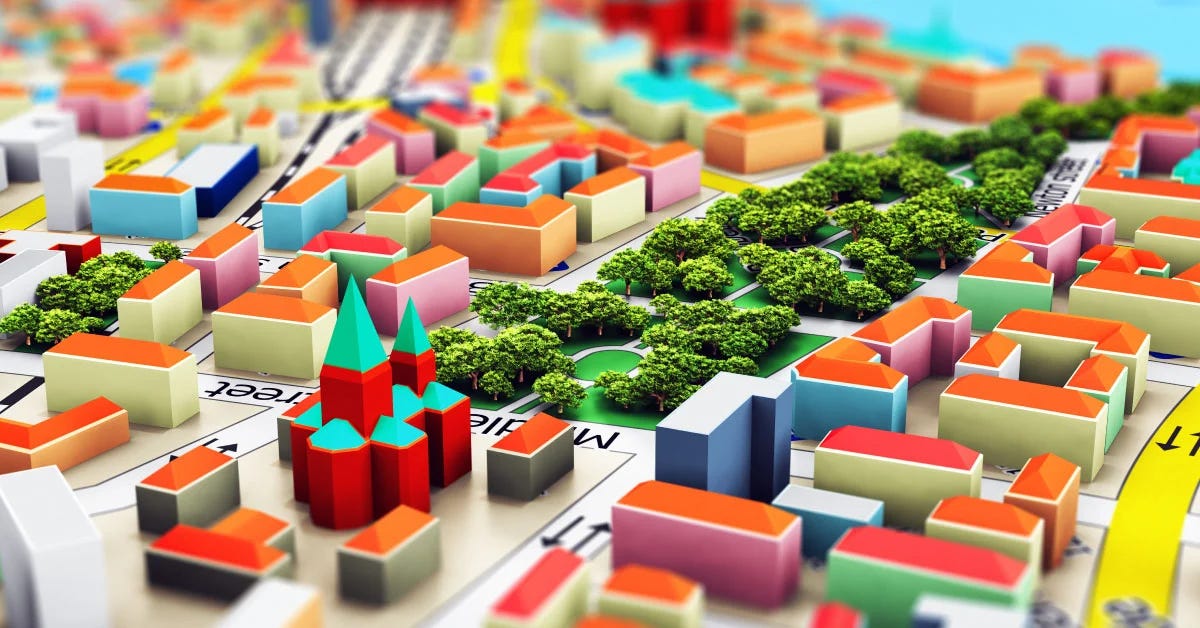
Urban planning and design have evolved dramatically over the last few decades, driven by technological advancements, growing populations, and the need for sustainable development. Smart cities, as a concept, focus on leveraging technology, data, and innovative design to create urban environments that are efficient, livable, and adaptable to future challenges. Implementing effective strategies in urban planning is essential for shaping cities that meet the social, economic, and environmental needs of their residents. One critical component of these strategies is integrating modern approaches to house plans, ensuring residential areas are functional, aesthetically pleasing, and environmentally conscious.
The Foundation of Smart Cities
Smart cities rely on a foundation of intelligent infrastructure, digital connectivity, and data-driven decision-making. Urban planners must consider transportation networks, energy distribution, waste management, and public services while designing cities that are scalable and resilient. The integration of technology, such as Internet of Things (IoT) devices and data analytics platforms, allows city planners to monitor usage patterns, optimize services, and predict future urban challenges. Within this framework, house plans play a pivotal role in shaping neighborhoods that are not only comfortable but also energy-efficient and adaptable to changing lifestyle needs.
Urban planners must take a holistic approach, ensuring that residential developments are seamlessly connected to commercial, recreational, and industrial zones. Smart zoning policies, combined with thoughtful house plans, help create neighborhoods that reduce commute times, promote social interaction, and enhance overall quality of life.
Sustainable Urban Design and Environmental Considerations
Sustainability is at the core of modern urban planning. Cities contribute significantly to carbon emissions and environmental degradation, making it crucial to implement strategies that minimize their ecological footprint. Incorporating green building principles into house plans can significantly reduce energy consumption and resource waste. This includes the use of renewable energy sources, efficient insulation, rainwater harvesting systems, and sustainable construction materials.
Urban planners are also designing neighborhoods with green spaces, parks, and pedestrian-friendly streets to reduce the reliance on vehicles and encourage outdoor activity. Integrating smart energy grids and efficient public transportation systems ensures that cities maintain environmental sustainability while meeting the mobility needs of residents. House plans are increasingly designed to accommodate solar panels, green roofs, and other eco-friendly features, reflecting the broader goals of sustainable urban living.
Technological Integration in Residential Planning
Smart cities depend on seamless technology integration, and residential planning is no exception. Modern house plans often include provisions for smart home devices, automated energy management systems, and advanced security features. Urban planners must collaborate with architects and technology experts to ensure that new housing developments are compatible with these advancements.
Moreover, data collected from smart homes and connected communities can inform broader urban planning decisions. For instance, monitoring energy usage, water consumption, and waste generation within households helps city officials optimize utilities and public services. This integration of technology and design not only improves the efficiency of urban systems but also enhances residents’ comfort and convenience.
Transportation and Mobility Strategies
Efficient transportation is a cornerstone of smart city design. Urban planners must prioritize multimodal transportation networks that accommodate walking, cycling, public transit, and private vehicles. Well-designed house plans in proximity to transit hubs and pedestrian-friendly areas encourage residents to adopt sustainable mobility options, reducing traffic congestion and pollution.
Planners are increasingly using smart traffic management systems, real-time public transit tracking, and data-driven road infrastructure improvements to enhance mobility. Residential areas designed with accessibility and connectivity in mind ensure that citizens can move seamlessly within the city, supporting economic growth and social cohesion.
Community-Centric Urban Planning
Smart city design is not solely about technology; it emphasizes creating communities where people feel connected and engaged. Urban planners are focusing on mixed-use developments that combine residential, commercial, and recreational spaces. House plans in such communities are tailored to encourage interaction while preserving privacy and comfort.
Shared spaces such as parks, community centers, and cultural hubs are incorporated into neighborhood designs to promote social interaction and inclusivity. Additionally, planners are considering the needs of diverse populations, including seniors, children, and individuals with disabilities, ensuring that urban spaces are equitable and accessible. Smart city strategies that prioritize community engagement result in more resilient, cohesive, and vibrant urban environments.
Data-Driven Decision Making
One of the defining features of smart cities is the use of data to inform planning decisions. Urban planners leverage geographic information systems (GIS), predictive modeling, and real-time monitoring to optimize city layouts, infrastructure investments, and housing designs. For example, analyzing population density, traffic patterns, and resource usage can guide the placement of new housing developments, public amenities, and commercial zones.
House plans in this context are no longer static; they can evolve based on insights from urban data analytics. This adaptability ensures that residential areas remain functional, efficient, and aligned with residents’ needs over time. Data-driven planning also allows cities to respond proactively to emergencies, natural disasters, and rapid population growth, enhancing overall urban resilience.
Future-Proofing Urban Development
As cities continue to grow, it is essential to future-proof urban developments. Flexible house plans that can accommodate evolving family structures, technological advancements, and environmental changes are key to sustainable growth. Urban planners are incorporating modular housing, adaptive reuse of buildings, and scalable infrastructure to ensure long-term viability.
Smart city strategies emphasize resilience against climate change, resource scarcity, and socio-economic shifts. By integrating robust house plans with intelligent infrastructure, cities can maintain livability and functionality even under unpredictable circumstances. Future-proof urban planning also involves engaging citizens in decision-making, fostering a sense of ownership, and promoting community-driven initiatives.
Challenges and Opportunities
While smart city strategies offer immense potential, urban planners face several challenges. Budget constraints, technological disparities, and regulatory hurdles can impede the implementation of advanced planning initiatives. Balancing high-tech solutions with affordability and inclusivity is critical to avoid creating unequal urban environments.
Despite these challenges, the opportunities are significant. Smart cities can improve quality of life, reduce environmental impact, and create economically vibrant communities. By prioritizing thoughtful house plans, sustainable design, technological integration, and community engagement, urban planners can transform cities into dynamic, efficient, and resilient spaces.
Conclusion
Urban planning and design for smart cities is a multifaceted process that combines technology, sustainability, community engagement, and data-driven insights. House plans play a crucial role in shaping residential environments that are efficient, adaptable, and aligned with broader urban objectives. By incorporating sustainable practices, smart technologies, and community-focused design, planners can create cities that not only meet current needs but are also prepared for future challenges. Smart city strategies represent a paradigm shift in urban development, emphasizing resilience, inclusivity, and innovation, ensuring that urban spaces remain livable and thriving for generations to come.