
Introduction
A vehicle’s wheels play an important role in defining its appearance, performance, and overall driving experience. While factory wheels are designed to meet general requirements, custom forged wheels offer drivers an opportunity to personalize their vehicles with distinctive designs and carefully selected specifications. They combine advanced manufacturing techniques with aesthetic flexibility, making them an appealing option for automotive enthusiasts who want to improve both style and functionality.
Custom forged wheels are produced using specialized processes that shape solid metal under high pressure. This manufacturing method can create strong, lightweight wheel structures with designs that are difficult to achieve through some conventional production techniques. Depending on the vehicle and wheel specifications, these characteristics may contribute to improved handling, responsive steering, and a more refined appearance.
From luxury sedans to performance-oriented sports cars, custom forged wheels can dramatically change how a vehicle looks and feels on the road. Understanding their advantages, design possibilities, and practical considerations helps drivers decide whether this upgrade is suitable for their needs.
Understanding Custom Forged Wheels
Custom forged wheels are manufactured by applying substantial pressure to a metal billet, commonly an aluminum alloy, to form a wheel blank. The material is then machined into its final shape, allowing manufacturers to create precise dimensions, intricate spoke patterns, and customized finishes.
The Forging Manufacturing Process
Forging begins with a solid piece of metal that is shaped under controlled pressure. The resulting component is subsequently machined to achieve the required design, dimensions, and mounting specifications.
This process can produce a wheel with favorable strength-to-weight characteristics. The final performance, however, depends on the alloy, forging method, engineering, heat treatment, and manufacturing quality.
Unlike many cast wheels, which are created by pouring molten metal into a mold, forged wheels begin with solid material. This distinction makes forging attractive for applications where structural performance and weight management are important.
Customization Options
One of the biggest advantages of custom forged wheels is design flexibility. Buyers can often select wheel diameter, width, offset, spoke configuration, and surface finish according to their vehicle and personal preferences.
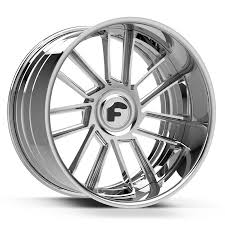
Available finishes may include gloss black, satin silver, brushed aluminum, polished surfaces, and other specialized coatings. Some designs feature intricate spokes, while others emphasize clean lines and a minimalist appearance.
These options allow drivers to create a coordinated look that complements their vehicle’s bodywork, paint color, and overall styling.
Transforming Your Vehicle’s Appearance
Wheels can influence the visual character of a vehicle more than many other exterior modifications. Their shape, finish, and proportions affect how the body appears from different angles.
Creating a Distinctive Appearance
Custom forged wheels allow owners to move beyond standard factory designs. A multi-spoke pattern can create a sophisticated appearance, while a split-spoke design may give a vehicle a more contemporary, performance-focused look.
Finishes also influence the overall impression. Dark wheels can create contrast against lighter paint, while polished or silver wheels may emphasize elegant body lines.
The best design depends on the vehicle’s proportions and intended style. Choosing a wheel that complements the original design often produces a more balanced result than selecting an oversized or overly complicated pattern.
Improving Visual Proportions
Wheel diameter, width, and spoke design affect the perceived proportions of a vehicle. A carefully selected setup can make the wheel arches appear more balanced and give the car a cohesive appearance.
However, larger wheels are not automatically better. Excessive diameter or width can create fitment problems, increase unsprung mass, or reduce tire sidewall height. These changes may affect comfort and handling.
Selecting appropriate dimensions ensures that visual improvements do not come at the expense of everyday usability.
Enhancing Handling and Driving Response
Beyond appearance, custom forged wheels can influence a vehicle’s driving characteristics. Their potential benefits depend on the specifications of the wheels being replaced and the complete wheel-and-tire setup.
Reducing Unsprung Weight
Unsprung weight refers to components that are not supported directly by the vehicle’s suspension springs. Wheels and tires contribute to this mass, along with parts such as brakes and certain suspension components.
Reducing wheel weight can help the suspension respond more effectively to changes in road surfaces. In suitable applications, lighter wheels may also improve steering response and contribute to better ride control.
Forged wheels can offer favorable strength-to-weight characteristics, although not every forged wheel is lighter than every cast alternative. Actual weight should be compared using verified specifications for the exact products.
Supporting Responsive Steering
Wheel and tire dimensions influence steering behavior. A properly selected wheel setup can support predictable turn-in and stable cornering when matched with suitable tires and suspension geometry.
Wheel weight, offset, width, and tire characteristics all affect the result. Simply installing wider or larger wheels does not guarantee better handling.
For drivers who value precise steering, the goal should be a balanced combination of appropriate wheel specifications, quality tires, and correct alignment.
Understanding Acceleration and Braking
Wheel mass can influence how much energy is required to accelerate rotating components. Reducing rotational mass may provide some improvement in acceleration response, depending on the vehicle and the amount of weight saved.
Wheel weight can also affect the workload experienced by the suspension and braking system. However, forged wheels alone do not guarantee shorter stopping distances. Tire grip, brake condition