
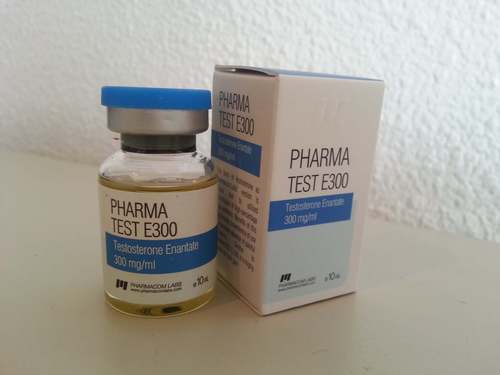
Test enanthate 300 is a term commonly used to describe a testosterone enanthate product labeled with a concentration of 300 milligrams per milliliter. Testosterone enanthate is a long-acting injectable form of testosterone, and understanding what the name means requires looking beyond the number printed on a product label. Medical status, formulation quality, individual health factors, and appropriate monitoring are all important considerations.
Although testosterone is a naturally occurring hormone, testosterone-based medicines can have significant effects throughout the body. They should therefore be approached as medical treatments rather than ordinary fitness or bodybuilding products. This article explains the basic concepts surrounding test enanthate 300, its legitimate medical context, and the factors people should understand before considering testosterone therapy.
What Is Testosterone Enanthate?
Testosterone enanthate is an esterified form of testosterone designed to remain in the body longer than some shorter-acting testosterone preparations. It is administered by injection and gradually releases testosterone into circulation.
The term “enanthate” refers to the chemical ester attached to testosterone. This ester affects how quickly the hormone is released and eliminated. Testosterone enanthate has been used in medical settings where testosterone replacement is considered appropriate for individuals with clinically confirmed testosterone deficiency.
The “300” in test enanthate 300 generally refers to the labeled concentration of the preparation, rather than describing a universal medical dose. Different products can have different concentrations, formulations, manufacturers, and quality standards. Consequently, a product label should never be interpreted as a recommendation for how much testosterone someone should use.
Why Is Testosterone Used Medically?
Testosterone therapy may be prescribed for certain patients with medically established testosterone deficiency. A healthcare professional normally considers symptoms, medical history, physical findings, and laboratory testing before determining whether treatment is appropriate.
Potential symptoms associated with clinically low testosterone can include reduced sexual function, decreased energy, changes in muscle mass, reduced bone density, and mood-related changes. However, these symptoms can also result from many other conditions. Testosterone should therefore not automatically be considered the solution to nonspecific symptoms.
Medical treatment is individualized. A clinician may evaluate testosterone measurements alongside other laboratory findings and health factors to determine whether hormone replacement is suitable.
Understanding the Meaning of Test Enanthate 300
One of the most important distinctions is between concentration and dosage. A label describing a testosterone preparation as test enanthate 300 typically identifies how much testosterone compound is present within a specified volume of injectable solution.
That number does not establish what an individual should receive. Medical dosing depends on the patient’s diagnosis, laboratory results, response to treatment, age, other medications, and overall health.
This distinction is particularly important because testosterone products can produce substantial hormonal changes. Using a concentration label as though it were a personal treatment recommendation can lead to inappropriate exposure and potentially serious complications.
Potential Effects and Health Considerations
Testosterone influences numerous biological systems. When medically indicated and appropriately monitored, replacement therapy can help address symptoms associated with testosterone deficiency. However, testosterone treatment can also produce unwanted effects.
Possible concerns include changes in red blood cell production, acne or oily skin, fluid retention, changes in cholesterol levels, reduced sperm production, and suppression of the body’s natural testosterone production. Some individuals may also experience changes in mood or other hormonal effects.
Testosterone therapy can be particularly complicated for people with certain cardiovascular, prostate, reproductive, or blood-related concerns. This is why medical history and ongoing monitoring are important parts of responsible treatment.
Why Medical Monitoring Matters
Monitoring is not simply a formality. Testosterone affects multiple systems, meaning treatment should be evaluated over time rather than judged solely by how someone feels.
Depending on the circumstances, healthcare professionals may monitor testosterone levels, blood counts, cardiovascular risk factors, and other relevant health indicators. The exact testing schedule varies according to the individual’s medical situation and treatment plan.
Patients should also tell their healthcare provider about other medicines, supplements, and health conditions. This information can help clinicians identify possible interactions or situations where testosterone therapy may require additional caution.
Risks of Non-Medical Testosterone Use
Testosterone products are sometimes discussed in bodybuilding and performance-enhancement communities. However, using testosterone without appropriate medical supervision introduces additional risks.
Non-medical use may involve unverified products, inaccurate labeling, contaminated preparations, or inappropriate exposure to hormones. Attempts to manipulate hormone levels for muscle growth or athletic performance can also affect fertility, cardiovascular health, blood pressure, cholesterol, and natural hormone production.
Another concern is that internet discussions frequently present testosterone as relatively straightforward while minimizing potential complications. Individual responses can vary considerably, and apparent short-term benefits do not eliminate longer-term health risks.
Product Quality Is an Important Factor
The quality of a testosterone preparation matters greatly. Legitimate pharmaceutical products are manufactured under controlled standards, while products obtained through unauthorized channels may not provide the same assurances.
A label stating test enanthate 300 does not, by itself, prove that a product contains the stated ingredients or concentration. Counterfeit or improperly manufactured medicines can present additional health hazards.
For anyone who has been prescribed testosterone, obtaining the medication through legitimate medical and pharmacy channels provides important safeguards concerning identity, labeling, storage, and manufacturing quality.
Testosterone and Fertility
An important consideration that is sometimes overlooked is reproductive health. External testosterone can suppress the body’s natural production of reproductive hormones. This can reduce sperm production and may affect fertility.
Someone who is considering testosterone therapy and wants to preserve fertility should discuss this concern with a qualified healthcare professional before treatment begins. Alternative approaches may sometimes be considered depending on the underlying medical problem and the individual’s reproductive goals.
Questions to Discuss With a Healthcare Professional
Before starting testosterone therapy, it can be useful to discuss several issues with a healthcare professional. These include the reason treatment is being considered, whether low testosterone has been properly evaluated, potential benefits and risks, existing medical conditions, fertility considerations, and appropriate follow-up testing.
It is also important to understand the formulation being prescribed and how it should be stored and administered. Patients should not make changes to a prescribed treatment based solely on information found online.
Making Informed Decisions About Test Enanthate 300
The most responsible way to understand test enanthate 300 is to view it as a testosterone formulation requiring appropriate medical context rather than simply as a product associated with a particular concentration.
The number on a label does not determine whether testosterone therapy is appropriate, nor does it establish an individual’s treatment requirements. Diagnosis, product quality, medical history, laboratory monitoring, and professional supervision all play important roles.
For people with genuine testosterone deficiency, medically supervised treatment can be an important part of managing their condition. For people considering testosterone for physique or performance purposes without a medical indication, the potential risks deserve careful consideration.
Final Considerations
Testosterone enanthate is a well-established hormone formulation, but its effects are broad and should not be underestimated. Understanding terminology such as test enanthate 300 can help people interpret product information, but responsible decision-making requires considerably more than knowing the concentration on a label.
Anyone considering testosterone therapy should seek advice from a qualified healthcare professional, use properly regulated medication, and follow appropriate monitoring recommendations. Avoiding unsupervised use and unreliable products is an important step toward reducing preventable health risks.